When running a business, success isn’t just about revenue growth—it’s also about understanding and managing your financial responsibilities. One of the most significant obligations for businesses worldwide is corporate taxes. Whether you’re a startup founder, an experienced entrepreneur, or an investor exploring global markets, understanding how corporate taxes work can save you money and keep your business compliant.
In this guide, we’ll walk you through what corporate taxes are, how they work, the latest rates, and why smart tax planning can give your business a competitive edge.
What Are Corporate Taxes?
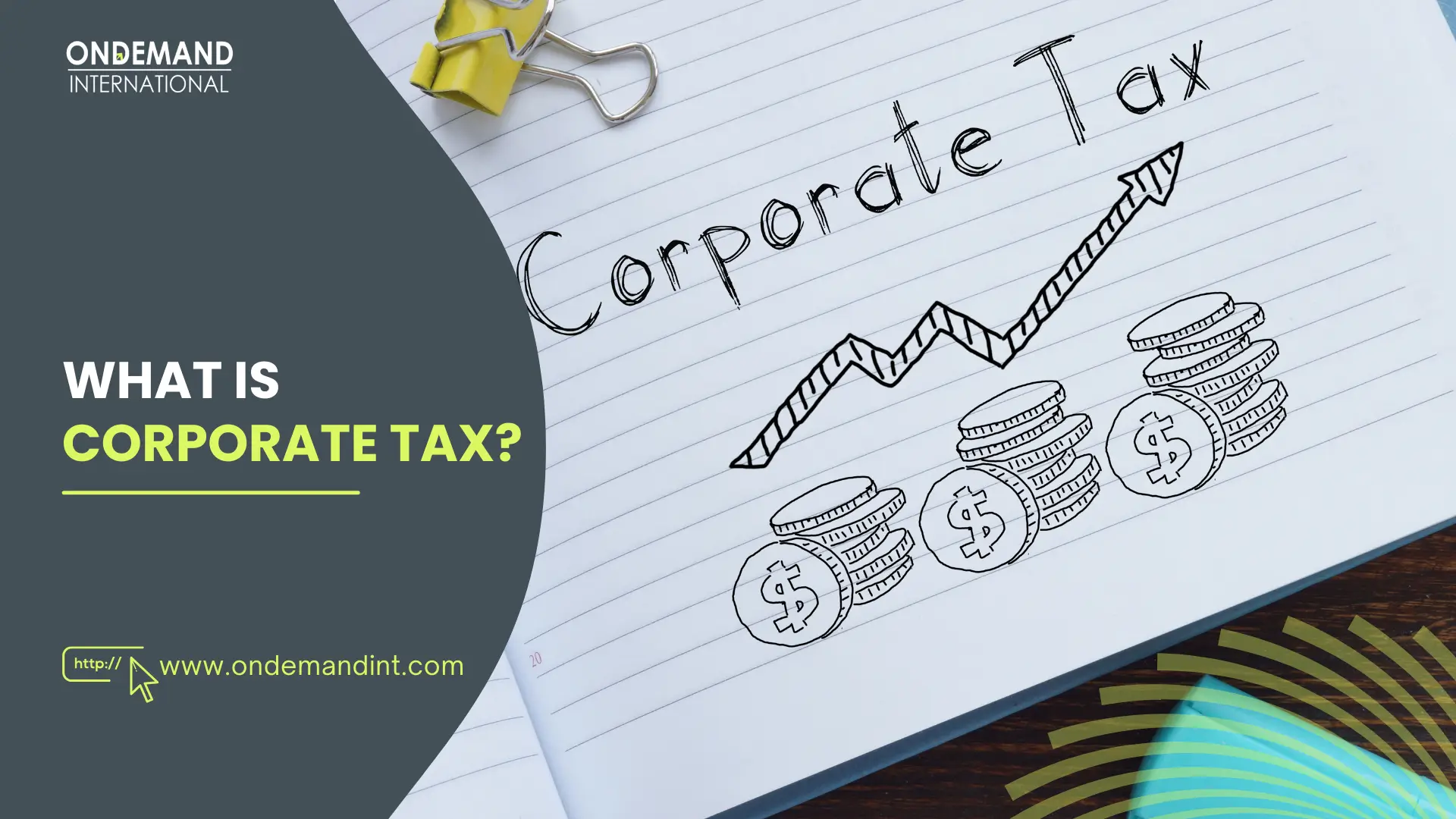
Simply, what is corporate tax? Corporate taxes are taxes imposed on the profits earned by companies. These taxes are calculated after deducting essential business expenses like:
- Cost of goods sold (COGS)
- Salaries and administrative expenses
- Research and development (R&D) costs
- Advertising and promotional expenses
- Depreciation and amortization
Each country sets its own corporate tax rates, and with the rise of global business structures, tax planning has become more important than ever. Some countries are even considered tax havens due to their low corporate tax rates, attracting international companies to set up operations there.
How Do Corporate Taxes Work?
Let’s break it down:
- Taxable Income: This is your company’s total revenue minus allowable deductions and expenses.
- Corporate Tax Rate: The percentage applied to your taxable income to calculate the tax payable.
- Tax Filing: Businesses must file annual tax returns and comply with payment deadlines, which vary by country.
For instance, in the United States, corporations must file taxes using Form 1120, and businesses with assets exceeding $10 million are required to file electronically.
Benefits of Understanding Corporate Taxes
- Optimize Business Expenses: Smart tax planning helps you maximize allowable deductions and reduce taxable income.
- Avoid Penalties: Timely filing and accurate reporting protect you from costly penalties and audits.
- Leverage Tax Incentives: Governments often offer tax credits for investments in renewable energy, R&D, and startups.
- Improve Cash Flow: Efficient tax management ensures more working capital remains within the business for growth.
Corporation Tax Rates Around the World (2025)
| Country | Corporate Tax Rate | Special Incentives |
| United States | 21% | R&D tax credits, startup relief |
| Germany | 15% + trade tax (approx. 30%) | EU Blue Card for skilled workers |
| United Arab Emirates | 9% (introduced in 2023) | Free Zones offering 0% tax |
| Singapore | 17% | Tax exemptions for new startups |
| Canada | 15% Federal + Provincial | Tax incentives for exporters |
Types of Corporate Entities
Understanding the type of corporate entity you establish directly impacts how your business is taxed.
Domestic Corporations:
Incorporated and operating primarily within the home country. Subject to local tax laws.
Foreign or International Corporations:
Headquartered in one country but operating internationally. These companies may benefit from tax treaties and lower foreign tax rates depending on the jurisdiction.
Read More: Guide to Offshore Company Formation
How to Reduce Corporate Tax Liability Legally?
- Take Advantage of Tax Treaties: Countries often have agreements to prevent double taxation.
- Invest in R&D: Many countries offer tax credits for innovation and research activities.
- Choose Tax-Friendly Jurisdictions: Consider establishing holding companies in countries like Luxembourg or the Netherlands.
- Optimize Your Business Structure: Sometimes, forming subsidiaries or representative offices can offer significant tax savings.
Conclusion
Corporate taxes can feel overwhelming, but with the right strategies, they become an opportunity to optimize your finances and fuel business growth. Whether you’re expanding into new markets or planning to set up a new entity, a solid understanding of taxation is essential.
Need expert assistance? Contact OnDemand International today. Our tax advisors specialize in global corporate taxation, helping you navigate complex regulations and maximize profitability.
FAQ’s
What is the difference between corporate taxes and income taxes?
Corporate taxes are levied on business profits, while income taxes apply to individuals’ personal earnings.
How can businesses legally reduce their corporate tax liability?
By leveraging tax incentives, investing in R&D, and optimizing their corporate structures to take advantage of international tax treaties.
Which countries have the lowest corporate tax rates?
The UAE, Ireland, and Singapore offer some of the most competitive corporate tax environments globally.
Do startups pay corporate taxes immediately?
In many countries, startups benefit from tax exemptions or reduced rates for the initial years. However, this depends on the jurisdiction and the type of business activity.